What on‑page elements most influence click‑through for a Purple Clay Teapot ad?
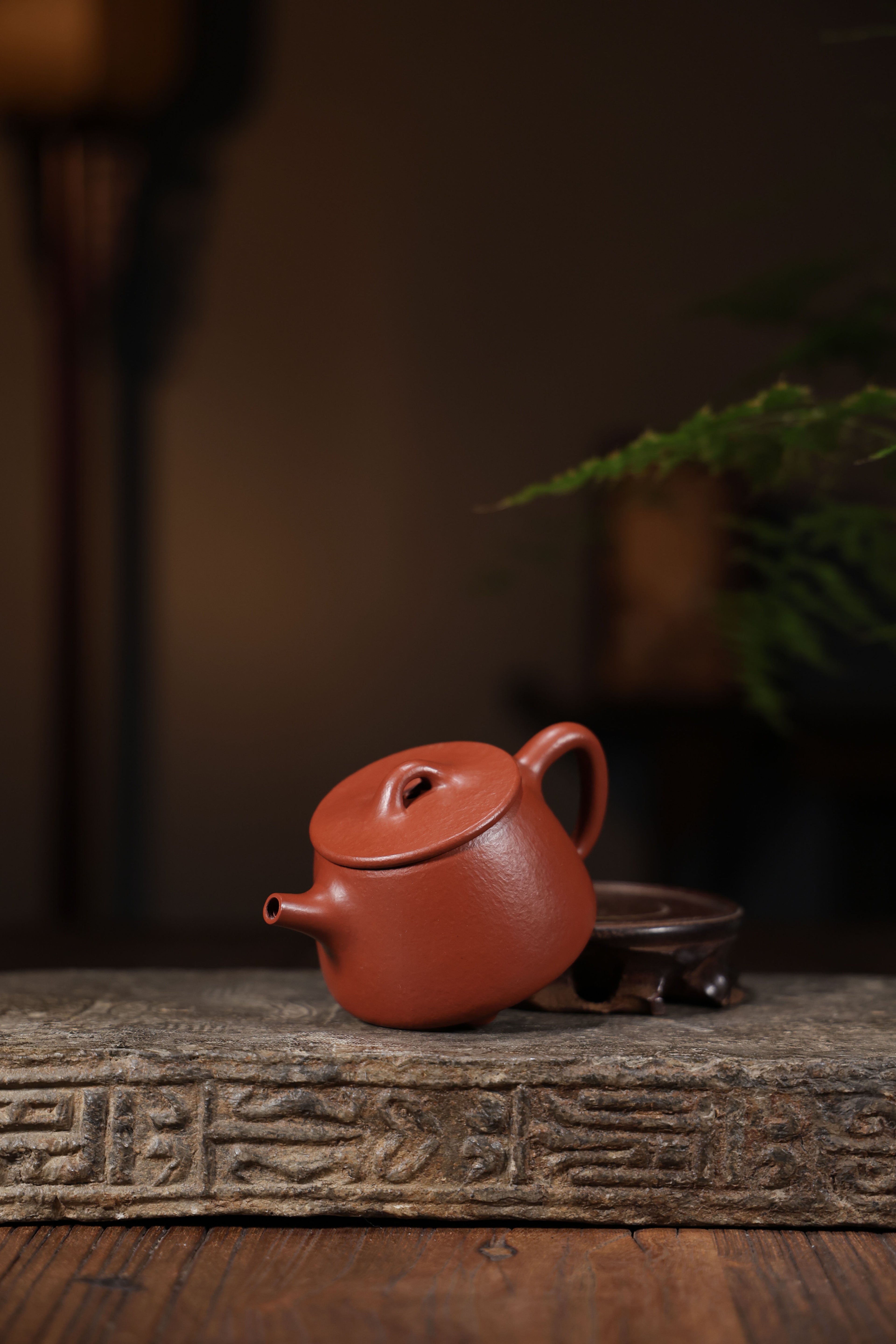
Eras of lovers have long pursued the particular magnetism of Yixing Zisha pitchers. Founded in the scenic town of Yixing, the territory, these jars are shaped from a peculiar and extracted purple clay noted for its premium thermal characteristics and aptitude to boost the flavor of potions. Outside of their effective worth, Zisha teapots symbolize a time-honored traditional legacy, rendering them markedly coveted and a authentic masterwork for any enthusiastic teapot appreciator.
Exploring Yixing Kettles
Authentic teapots represent a memorable mixture of history and artisan craftsmanship. Founded in Yixing, Jiangsu District of China, their narrative dates back the Ming Dynasty, although signs suggest earlier iterations. The rare maroon clay, called Zisha, found solely in the Yixing region, is the principal component, contributing to the pots' impressive heat sustaining and the manner they modify the taste of tea. Epochs of potters have honed techniques—often relayed through families—including forming the clay, applying sophisticated embellishments, and firing the pots at controlled temperatures.- Earlier, Yixing teapots were often embellished with simple designs.
- Down the line, more elaborate carvings and graphic motifs became favored.
- The kiln firing itself is a vital element, requiring decades of proficiency.
Obtaining Zisha Teapots: Fundamental Factors
Undertaking a quest to obtain Zisha pitchers can be fulfilling, but it’s necessary to learn what to examine. Authenticity is fundamental; focus on the potter’s natural cast, a understated reddish-brown is usual. Examine the touch; genuine Zisha has a remarkable tactile sensation, often defined as slightly grainy. The morphology should be aesthetically sound and consistent with time-honored styles, while seals, if present, require careful examination for validity. Don’t resist to consult with qualified collectors or trusted resources – their guidance is critical.
The Clay Pots: Investigating the History of renowned Zisha
Ages have seen Yixing Purple Earth teapots possess a notable role in Chinese arts. These beautifully crafted pots, sourced solely from the locality of Yixing, are Chinese Teapot noted for their specific shade, feel, and their ability to refine the taste of beverages. Countless collectors value antique Yixing teapots, treasuring them profoundly not only for their aesthetic loveliness, but also for the heritage they express.
Yixing Zisha Teapots: Exceptional Foremost Forms and Their Traits
Purple Earthenware teapots, established in the renowned territory of Yixing, the Chinese territory, are famed for their unique clay and outstanding brewing capabilities. Amidst the different Zisha types, particular forms that are highly sought-after include Duan Ni. Binzhou, known for its deep purple shade and sleek texture, delivers a moderate flavor. Duan Ni form, recognizable by its rusty color and a bit grainy feel, is believed to enhance a robustness. Lastly, Zhuni variety boasts an uncommon maroon tone and can bestow a mild nuance. Each type affords a alternative experience, allowing them very desirable regarding brew enthusiasts.
Achieving The Ceramic Pot
To unleash the virtue of your Yixing container, understanding the correct modus operandi is critical. These clay containers, celebrated for their texture, will incrementally take on the quality of the tea you make within them. Begin by rinsing the container thoroughly with warm water. Then, use only excellent broken leaf tea, as lower quality options can damage the premise’s delicate taste. Always enable the leaves to unfurl completely, and remember that with each application, your Yixing urn will become progressively cherished.
Securing Your Priceless Zisha Keepsake
Proper handling for your Zisha jar is necessary to conserving its appearance and price. Zisha clay, recognized for its unique tinge and feel, requires mindful handling. Never use harsh agents, as these can harm the coating. After every utilization, rinse the kettle with comfortably warm water and allow it to air out completely.
- Shun soaking the jar for extended durations.
- Sometimes use a soft cloth to buff the exterior.
- Evaluate applying a thin layer of food-grade vegetable oil inside the pot after drying, which can limit staining.
Fundamentals of Yixing Pitchers
Yixing teapots, originating from the Yixing locale in Jiangsu Province, inside China, are celebrated for their distinctive qualities. Produced from the unique purple material known as Zisha, these pitchers are prized by tea enthusiasts worldwide. This overview will succinctly explain the pillars – covering types of Zisha earth, frequent shapes, and necessary care pointers. Understanding the genesis of Yixing clay pots can deepen your appreciation for this valued example of Sinic civilization.
Fabrication of Chinese Vessels: Spotlighting Zisha found in Yixing locality
Zisha compound from Yixing represents the height of Yuan vessel design, possessing a singular amalgamation of unprocessed beauty and effective artistry. These distinguished pieces are acclaimed for their dynamic pigments, often including strong purples and copper hues to delicate greys and subtle beiges. The defining mineral composition of the exclusive-to-the-area Zisha substrate imparts a unique texture and furnishes a pleasant aroma that heightens the whole drink experience, transforming them greatly prized collectibles and vital components of any serious brew.