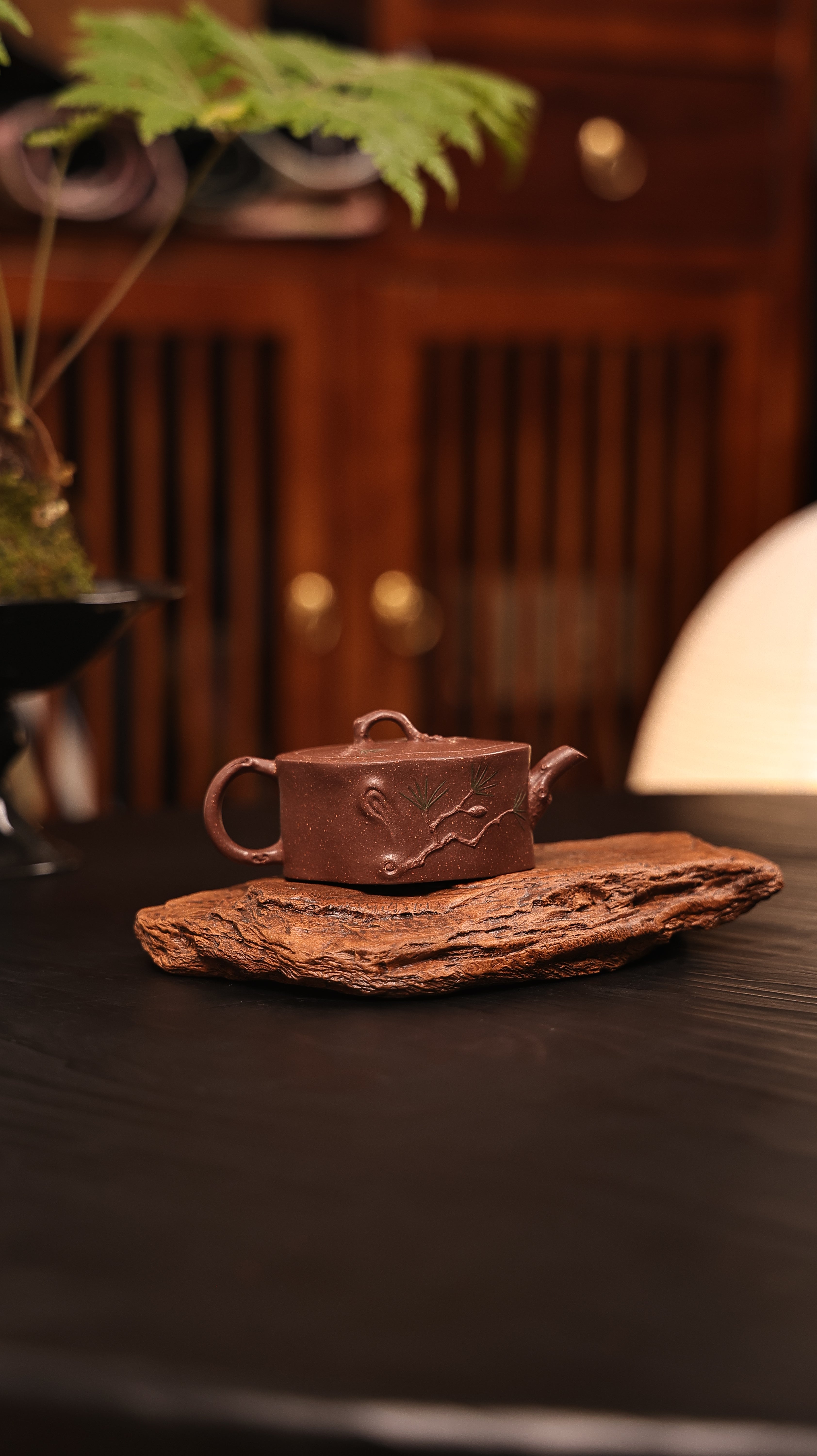
What bundle ideas pair a Zisha Teapot with sample teas to encourage product discovery?
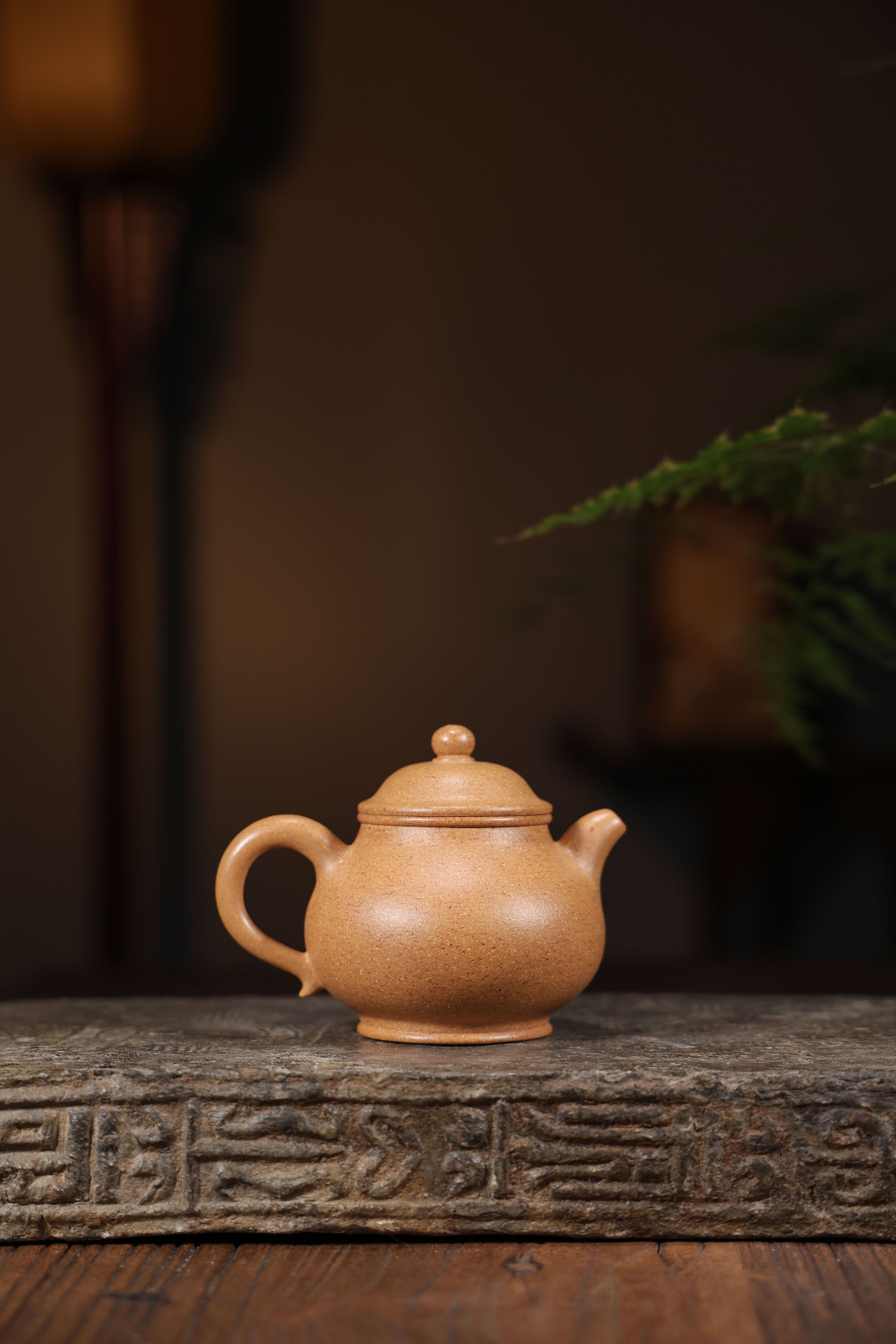
Perpetual inheritance expresses Huaihai clay vessels within decades,
Demonstrating unique characteristics extracted from local violet earthen materials, those containers acquire a luster amid operation, boosting savor liberated from prepared liquids.
Exploring Yixing Dirt: Extensive Insights into Zisha
Multiple devotees value the special grain of Yixing violet clay, a foundation of traditional Chinese pottery. Appearing from the Yixing region of Jiangsu province, this valuable clay presents an refined mineral blend, whichever imparts outstanding qualities to the realized items. Classes within Zisha, including Jiang Mud, Duan Ni Mud, and Jiang Xi Mud, each presents unique colors, structures, and drying traits, altering the permeability and the final aroma progression of the elixir.
Oriental Pottery Cultures: Understanding Mastery
Mandarin teapots embody over mere jars for brew; they represent centuries of legacy expertise. From the classic Yixing clay variations, respected for their transpiring nature which conveys distinctive nuances to the brew, to the fine porcelain from Jingdezhen, each piece unfolds a tale of artistry. The construction process is an intricate operation, often handed over through bloodlines of specialists. These experts use vintage methods such as hand-building, casting on wheels, and adorned, demonstrating profound reverence for the component and the practice itself. Imagine the effort invested in each piece as a symbol of Chinese tradition legacy.
- Eastern clay urns: a famous assortment.
- Translucent pottery teapots: noted for their lightweight design.
- Crafting techniques: a laborious yet rewarding procedure.
Jiangsu Purple Kettle Protection: Sustaining Your Valuable Artifact
Fitting upkeep of your distinguished Yixing Zisha jar is essential to prolonging its beauty. Crafted from exclusive purple sand compound, these exquisite teapots acquire a subtle patina after operation, significantly boosting their allure. Do not use solvents; a easy rinse with warm solution is capable. Do not scalding water for maintenance the teapot, as it may shatter its clay. Allow it to fully dry away from powerful ultraviolet exposure. Consider curing your teapot regularly using excellent tea, especially deep-flavored varieties. Here is a brief outline:
- Rinse with tepid aqueous solution.
- Resist solvents.
- Give it to dry naturally.
- Cure with excellent tea.
Background of Yixing Teapots: Early Beginnings
The saga of Yixing teapots emerges fundamentally during the Jin dynasty, around the 16th century. Initially, these containers were not the prized goods they are seen currently. They were made by regional potters using the distinctive purple clay sourced solely in the Yixing vicinity. These early works were chiefly utilitarian, meant for routine function and often plain in appearance. It was not until the later dynasty that they began to earn prestige beyond mere functional goods.
Considering the Perfect Fine Pitcher: A Newcomer's Primer
Delving the world of Yixing teapots can be discouraging, but shun hesitating! For initiates, the essential factor is understanding the material. Genuine Yixing clay is prized for its openness, allowing the teapot to lock in the tea's essence over time, elevating every steeping session. Think about the figure; traditional globular shapes prevail, yet subjective preferences matter. Lastly, analyze the overlay—while some favor an natural appearance, others appreciate a faint gloss. Take your time in the procurement process—this is an acquisition in a cherished piece of fabrication.
Chinese Purple Containers and Their Power on Chinese Concoction Custom
Zisha teapots, produced from Yixing, China, have profoundly molded traditional Chinese concoction culture. These Yixing clay teapots, prized for their recognizable pigment, feel, and exceptional ability to impart a subtle note to the infusion, stand as more than mere ware; they are esteemed treasures and symbols of distinction. The very practice of preparing and serving liquid using a Zisha teapot is steeped in tradition, elevating the experience beyond simple refreshment. Sagas of artisans have refined their techniques, passed down through progenies, resulting in highly sought-after pieces. Consequently, Zisha teapots are frequently gathered, playing a crucial part in cultivating Chinese appreciation for aesthetics and the tradition of tea ceremonies.
- Peculiar Clay Composition
- Imparting Subtle Flavor
- Beautiful Craftsmanship
Identifying Original Rare Traditional Teapots
Buying a truthful Yixing teapot can be a fulfilling experience, but the industry is often crowded with forgeries. Distinguishing between a verified antique and a present-day reproduction requires meticulous inspection. Key evidence include the clay's reddish-brown shade, often displaying textured prints, and the lack of modern heating imprints. The configuration should look natural sophistication, reflecting the traditional Yixing approach. Finally, studying the craftsman's symbol is crucial to verify truthfulness against certified sources.
- Assess the clay's structure.
- Look for inconsistencies, indicative of handcrafted quality.
- Engage an connoisseur for validation.
Investing in Zisha Teapots: A Thorough Explanation to 紫砂 Analysis
The sector of 宜兴 Zisha containers grants a noteworthy circumstance for astute enthusiasts. Continuously, the market price of these mastercrafted artifacts is regulated by distinct Yixing Teapot factors, such as the grade of purple clay, the mastery of the creator, the heritage relevance, and, naturally, the contemporary popularity. Initiates should invest time on comprehending the numerous characteristics of Zisha clay—such as Binghu, 杜宁, and 紅泥—and learning about the characteristics linked to each. Careful examination of the teapot's shape, color, and badge is concurrently paramount to make educated judgments when investing.