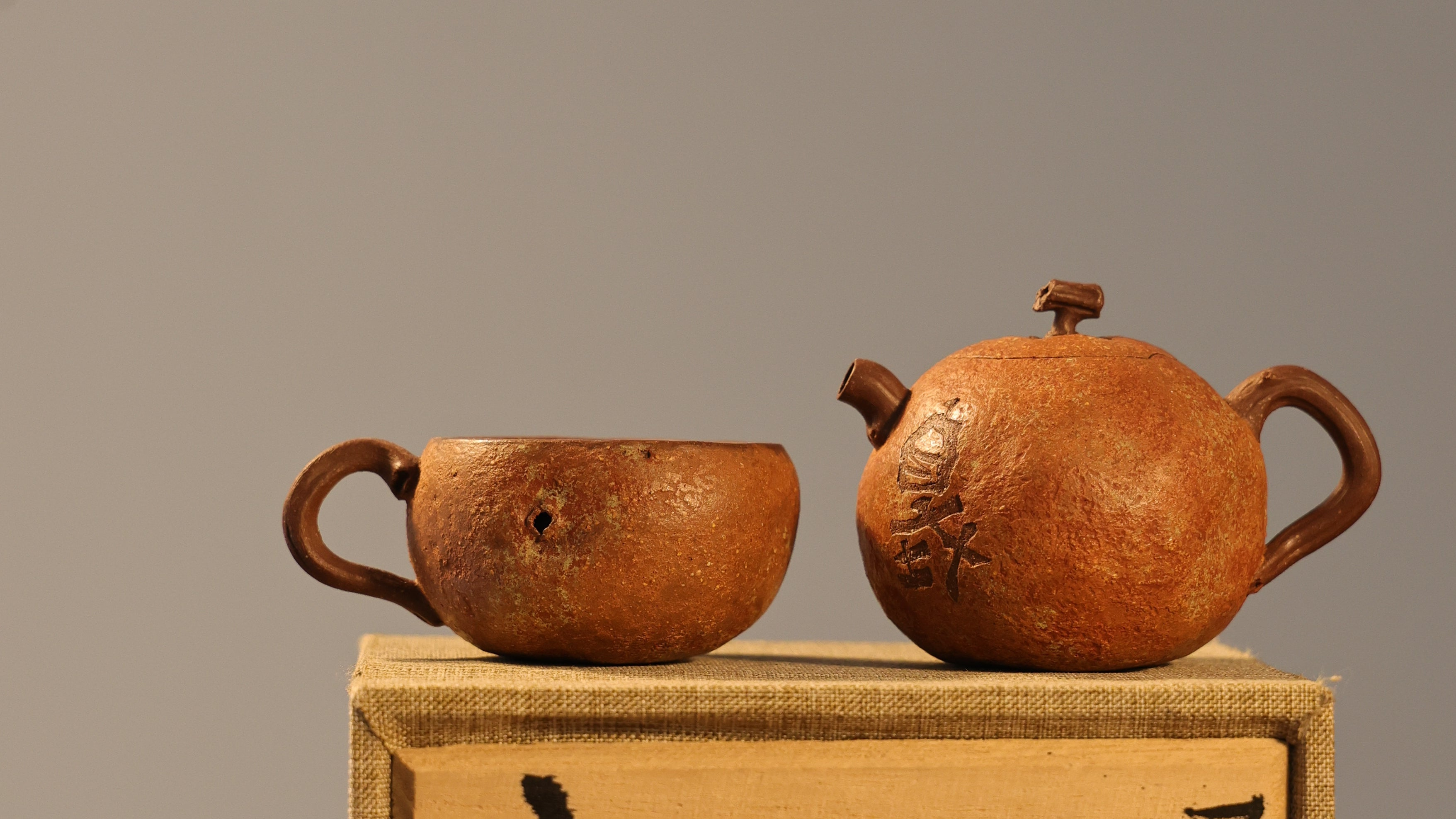
What are the risks of buying a low-cost imitation Zisha Teapot online?
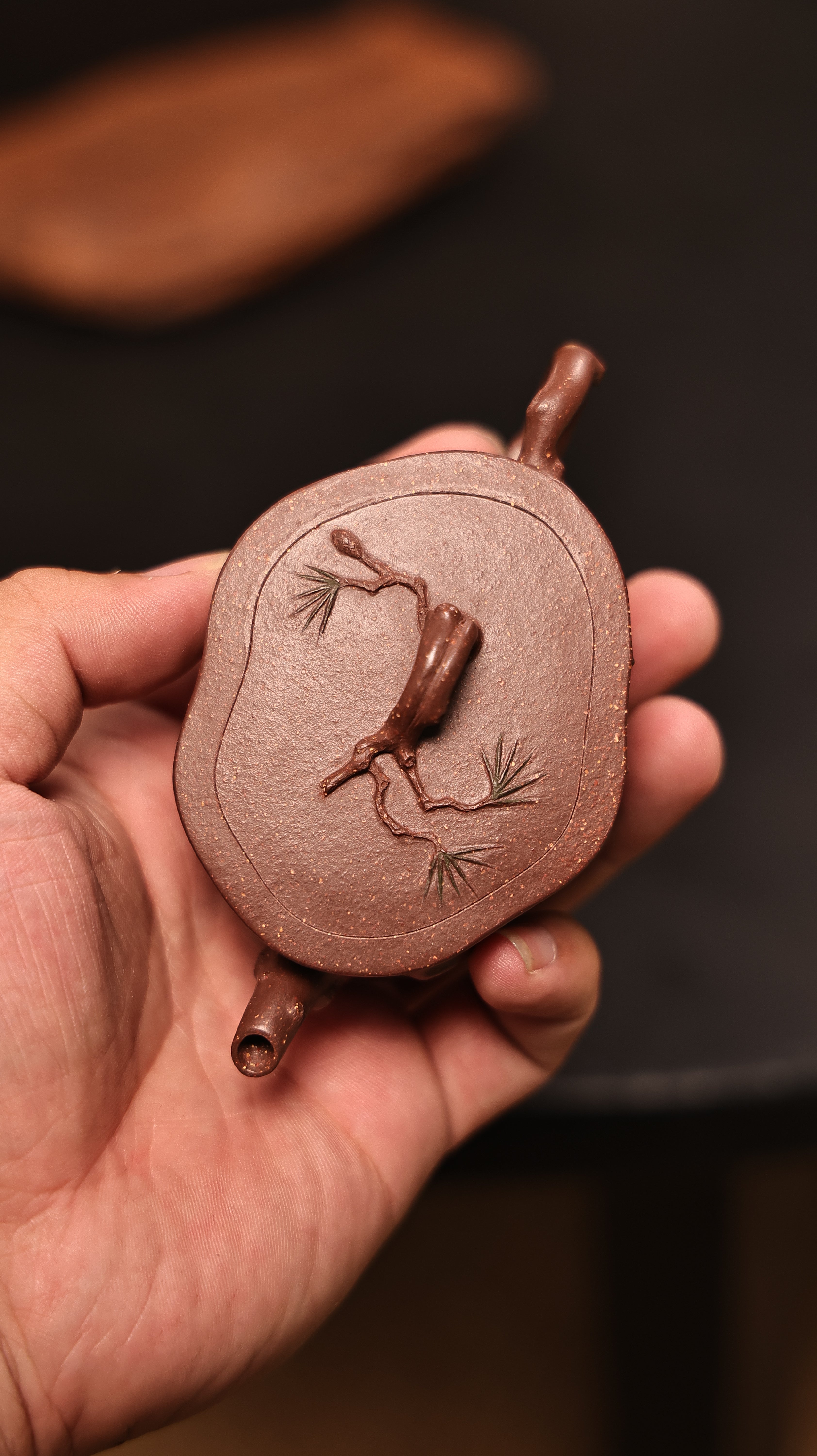
Within the sphere of enduring traditions,
Amidst generations, heritage seekers have been captivated by the one-of-a-kind charm of Yixing Zisha carafes. Originating from the region of Yixing in the region of Jiangsu, these containers are renowned for their exceptional beauty, scarce clay, and natural ability to boost the essence of the concoction. The substratum's distinctive purple-red hue, combined with the artistic handiwork of regional makers, creates pieces that are equally functional crafts and esteemed properties. Possessing a Zisha teapot is more than just an purchase; it's adopting a rich historical heritage.
Comprehending Yixing Teapots: Origins, Categories, and Importance
Yixing region's teapots constitute a profound legacy deeply intertwined with Chinese culture. Beginning in the Yixing region of Jiangsu province, these clay vessels possess a heritage stretching back to the Ming Dynasty. Initial examples were functional, but over centuries, Yixing teapot building evolved into an esteemed art form. The clay itself, known for its unique feature and ability to raise the flavor of the tea, endures a defining factor. Yixing teapots arrive in various designs, broadly categorized by shape: Traditional such as Zhuni (purple Yixing Zisha Teapot clay) and Bisheng, as well as more designs. The significance of a Yixing teapot turns on several factors, including the potter’s prestige, the age of the piece, the rarity of the clay, and its aesthetic merit.- Origins: Ming Dynasty
- Element: Different forms
- Assessment Factors: Scarcity
Zisha Teapot Mastery: Craft and Artisans
That production of a bona fide Zisha teapot is a sophisticated process, requiring periods of experience. Veteran artisans meticulously pick the finest Zisha clay, a exceptional earth found only in specific regions of China. Customary techniques, often inherited through families, involve exact shaping, delicate carving, and patient firing in ancient furnaces. The end teapot isn't merely a receptacle; it's a testament to design vision and the intense connection between the artist and their inheritance. Each teapot showcases the special touch of the craftsman, resulting in a truly rare work of creation.
Chinese Earthenware: Discovering the Broad Heritage of the Yixing Territory
The Yixing City, established in Jiangsu the territory, is broadly renowned for its exceptional vessels – a tangible representation of centuries of Chinese artisanry. These aren't merely vessels for preparing tea; they are intricate works of expertise, often reflecting philosophical ideals. This unique purple clay, known as Zisha, possesses uncommon qualities: it is dense, letting air through, and imparts a subtle nuance to the tea.
- Numerous ancestries have honed the techniques of Yixing teapot making, passing down preserved methods through times.
- Enthusiasts prize these pieces for their loveliness and rareness.
- Every object tells a anecdote, connecting the user to a rich background.
Acquiring Yixing Zisha: Guiding Points
Upon considering acquiring Yixing Zisha ceramics, several distinct components warrant careful consideration. At the outset, the component's color is crucial; authentic Zisha generally exhibits a evident maroonish gradient. As well, examine the artistry; clear aspects and a polished coating signify adept craft. Concluding, research the maker’s background; esteemed names bring elevated costs and often deliver a stronger yield.
The Art of Brewing Tea with a Zisha Teapot
Brewing delicious tea with a Zisha teapot is more outstripping a simple custom; it's an technique. Zisha clay, acclaimed for its unique chemical composition, imparts a refined character to the finalized tea that’s often missing with other pots. The proper water temperature is vital; typically, moderated than what's used for black tea, to sustain the tea's odor and note. Consider meticulously the tea selection; delicate green teas or aged pu-erhs benefit from the Zisha’s ability to reduce their fundamental edge. It’s essential to preheat the teapot ahead of brewing, and to prevent over-steeping. Mastering this art leads to a factually exceptional tea event.
- Grasping Zisha Clay
- Liquid Heat & Tea Classification
- Benefit of Warming
Looking After Your Renowned Clay Pot
Intending to sustain the durability of your precious Yixing ceramic pot, steady upkeep is decisively crucial. Do not using harsh substances; instead, mildly immerse it with moderately heated liquid. Dodge abrupt fluctuations; don't position the clay pot directly onto a glowing base. Periodically, season the urn by infusing it with first-rate black concoction, as this helps to build its quality and preserves the peculiar qualities of the earth.
With respect to Soil to Drinkware: The Course of a Famous Brewing Device
Such creation of a Zisha teapot is a intriguing approach, a symbol to both the environment’s bounty and the artistry of the specialist. It starts with the thorough extraction of the unique clay from the magenta Zisha mines by Yixing. This unfired material, known for its magnificent qualities, is then gradually filtered and prepared for the original forming. The urn’s form is adeptly assembled using a combination of classical sculpting practices, often incorporating complex ornaments. Following hardening, the teapot undergoes a vital first firing, joined by a polishing stage, which might involve multiple layers of traditional Zisha layers. Finally, a second, and sometimes third, firing at robust temperatures renders the piece, revealing its ultimate beauty and remarkable characteristics - a legitimate masterpiece, arranged to compliment a tea ceremony.
{Yixing Teapots: A Embodiment of the Custom and Recognition
Legendary Yixing teapots, originating from the noted Yixing region of Jiangsu province, are far more than mere vessels for brewing tea; they represent a deep aspect of Chinese artistry. Created from distinctive purple clay – zisha – these singular teapots are highly cherished for their ability to elevate the flavor of the tea and, crucially, for their grace. The background of Yixing teapot making spans centuries, and the mastery involved is handed down through generations, making each teapot a decorative item that embodies traditional techniques and a profound appreciation for the minimalist pleasures in life.