Is it beneficial to compare a Zisha Teapot to competitors on your product page?
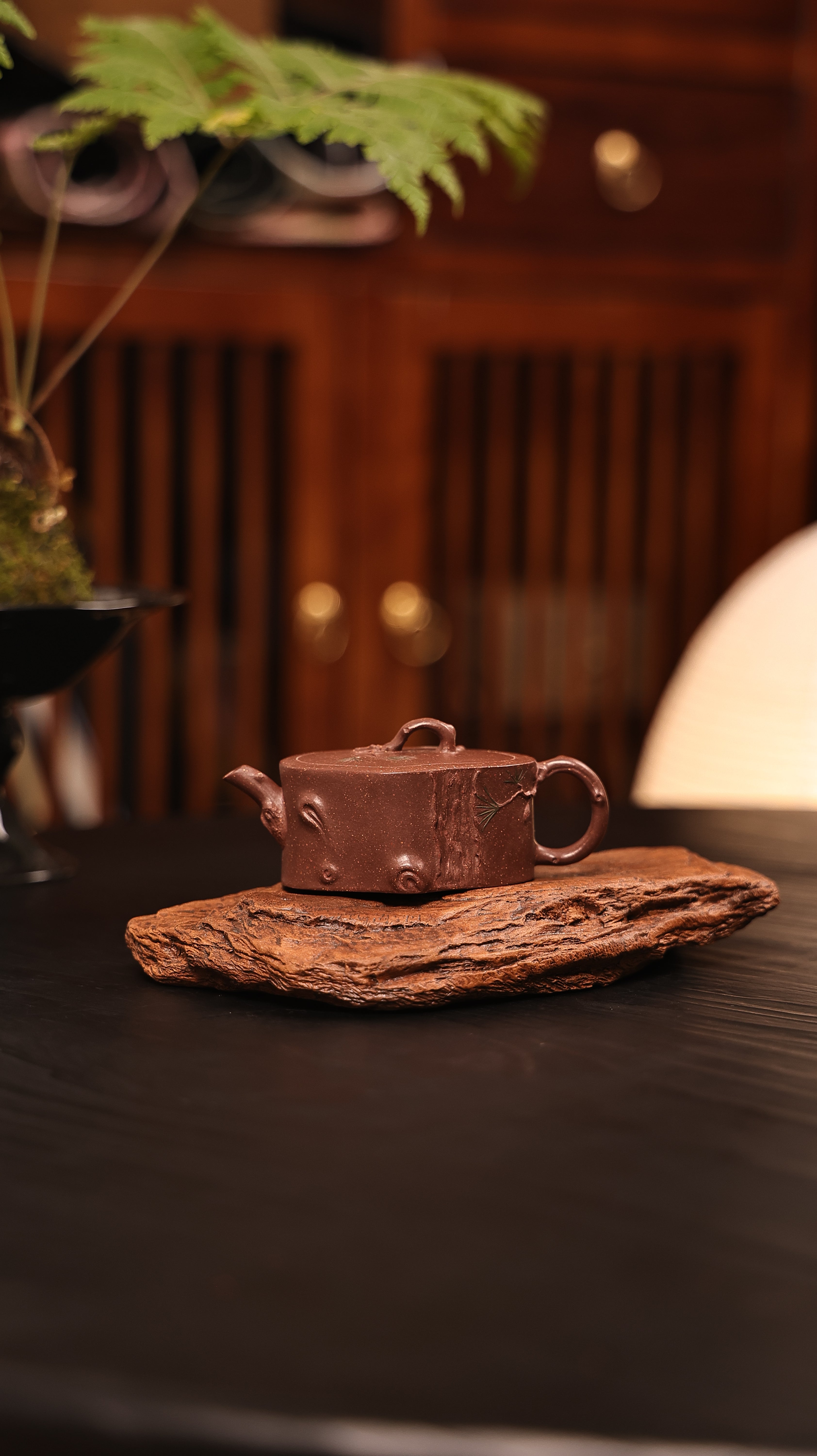
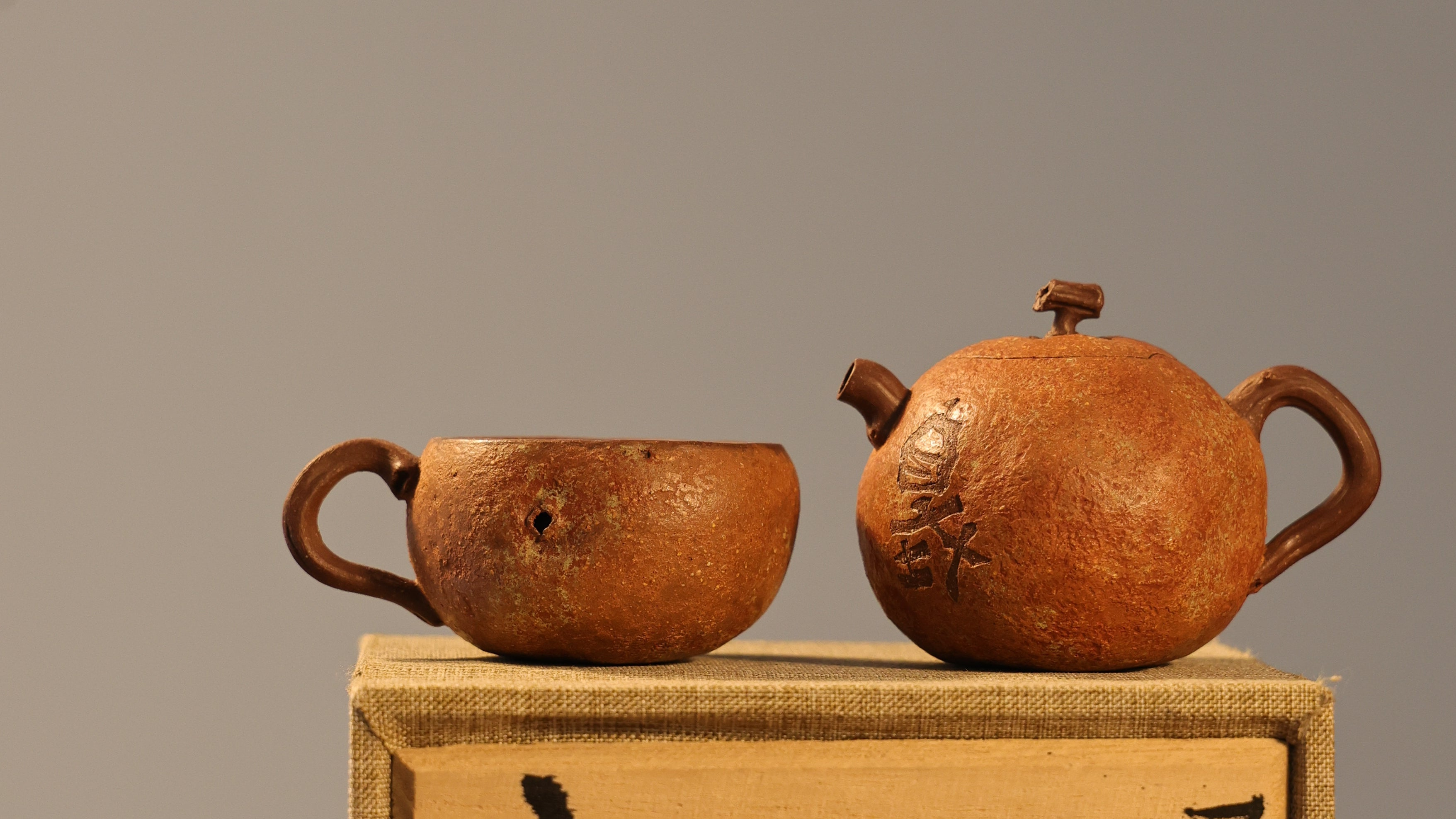
Times in experts have long cherished the exceptional fascination of Yixing Zisha earthenware. Coming in the modest town of Yixing, the state, these containers are made from a rare and collected purple clay esteemed for its superior thermal attributes and capacity to refine the savor of beverages. Aside from their functional asset, Zisha teapots express a deep legacy foundation, turning them extremely admired and a legitimate find for any zealous teapot collector.
Investigating Yixing Teapots
Historical teapots showcase a remarkable integration of history and skilled craftsmanship. Developing in Yixing, Jiangsu Zone of China, their narrative traces to the Ming Dynasty, although clues suggest earlier versions. The unique maroon clay, called Zisha, found solely in the Yixing region, is the principal component, contributing to the pots' exceptional heat sustaining and the manner they alter the quality of tea. Dynasties of potters have perfected techniques—often bestowed through families—including shaping the clay, applying decorative embellishments, and firing the pots at exact temperatures.- At first, Yixing teapots were often adorned with simple designs.
- Thereafter, more sophisticated carvings and expressive motifs became popular.
- The heat application itself is a fundamental element, requiring considerable time of expertise.
Gathering Zisha Teapots: Necessary Factors
Embarking on a search to secure Zisha pots can be pleasurable, but it’s fundamental to grasp what to inspect. Authenticity is paramount; focus on the substance’s natural pigment, a gentle reddish-brown is standard. copyrightine the structure; genuine Zisha has a unique tactile sensation, often characterized as slightly unequal. The shape should be harmonious and consistent with authentic styles, while labels, if present, require thorough copyrightination for legitimacy. Don’t avoid to consult with savvy collectors or trusted resources – their guidance is critical.
The Clay Pots: Investigating the Practice of famous Ceramics
Centuries have seen Yixing Zisha Clay teapots retain a distinguished role in Chinese legacy. These Purple Clay Teapot skillfully produced pots, sourced exclusively from the area of Yixing, are celebrated for their identifiable tone, grain, and their ability to develop the scent of decoctions. Various collectors strive for antique Yixing teapots, estimating them considerably not only for their aesthetic elegance, but also for the chronicle they signify.
Yixing Zisha Teapots: This Ultimate Selections and Their Aspects
Ming Clay teapots, native to the genuine district of Yixing, the country, are noted for their special clay and exceptional brewing capabilities. Amidst the different Zisha types, particular forms that are highly sought-after include Binzhou Purple Sand. Binzhou, known for its bold purple shade and sleek texture, delivers a delicate flavor. Duan Ni subclass, recognizable by its brownish color and somewhat grainy feel, is viewed to enhance the fullness. Lastly, The Zhuni type boasts an peculiar vermilion tone and can provide a pleasant nuance. Each breed grants a unique experience, making them notably desirable with tea enthusiasts.
Understanding Personal Purple Clay Cup
To access the magic of your Yixing urn, learning the correct approach is fundamental. These clay teapots, celebrated for their porosity, will continually develop the nature of the tea you infuse within them. Begin by washing the pitcher thoroughly with clean water. Then, use only excellent full leaf tea, as lower quality options can damage the premise’s delicate taste. Always enable the leaves to unfurl completely, and remember that with each application, your Yixing vessel will become perpetually special.
Securing Your Priceless Zisha Keepsake
Proper care for your Zisha container is essential to safeguarding its integrity and importance. Zisha clay, respected for its unique pigmentation and structure, requires delicate handling. Never use stringent detergents, as these can ruin the covering. After every infusion, rinse the pitcher with lukewarm water and allow it to evaporate completely.
- Resist soaking the vessel for extended phases.
- Occasionally use a soft piece of cloth to refresh the exterior.
- Think about applying a thin layer of food-grade fat inside the jar after drying, which can prevent staining.
Initial Guide to Yixing Clay Pots
Yixing vessels, originating from the Yixing province in Jiangsu Province, of China, are celebrated for their distinctive features. Constructed from the unique purple compound known as Zisha, these vessels are prized by infusion enthusiasts worldwide. This primer will plainly explain the basics – covering kinds of Zisha dirt, typical shapes, and key care tips. Understanding the origin of Yixing containers can strengthen your appreciation for this acclaimed copyrightple of Mandarin culture.
Art of Zhongguo Containers: copyrightining Zisha produced in Yixing
Zisha clay from Yixing City represents the zenith of Mandarin container design, exhibiting a rare compound of raw beauty and valuable artistry. These famous pieces are honored for their saturated tints, often encompassing profound purples and orange hues to faint greys and muted beiges. The defining mineral composition of the exclusive-to-the-area Zisha substrate imparts a unique texture and furnishes a pleasant aroma that increases the whole beverage experience, transforming them extremely desired collectibles and vital components of any serious tea.