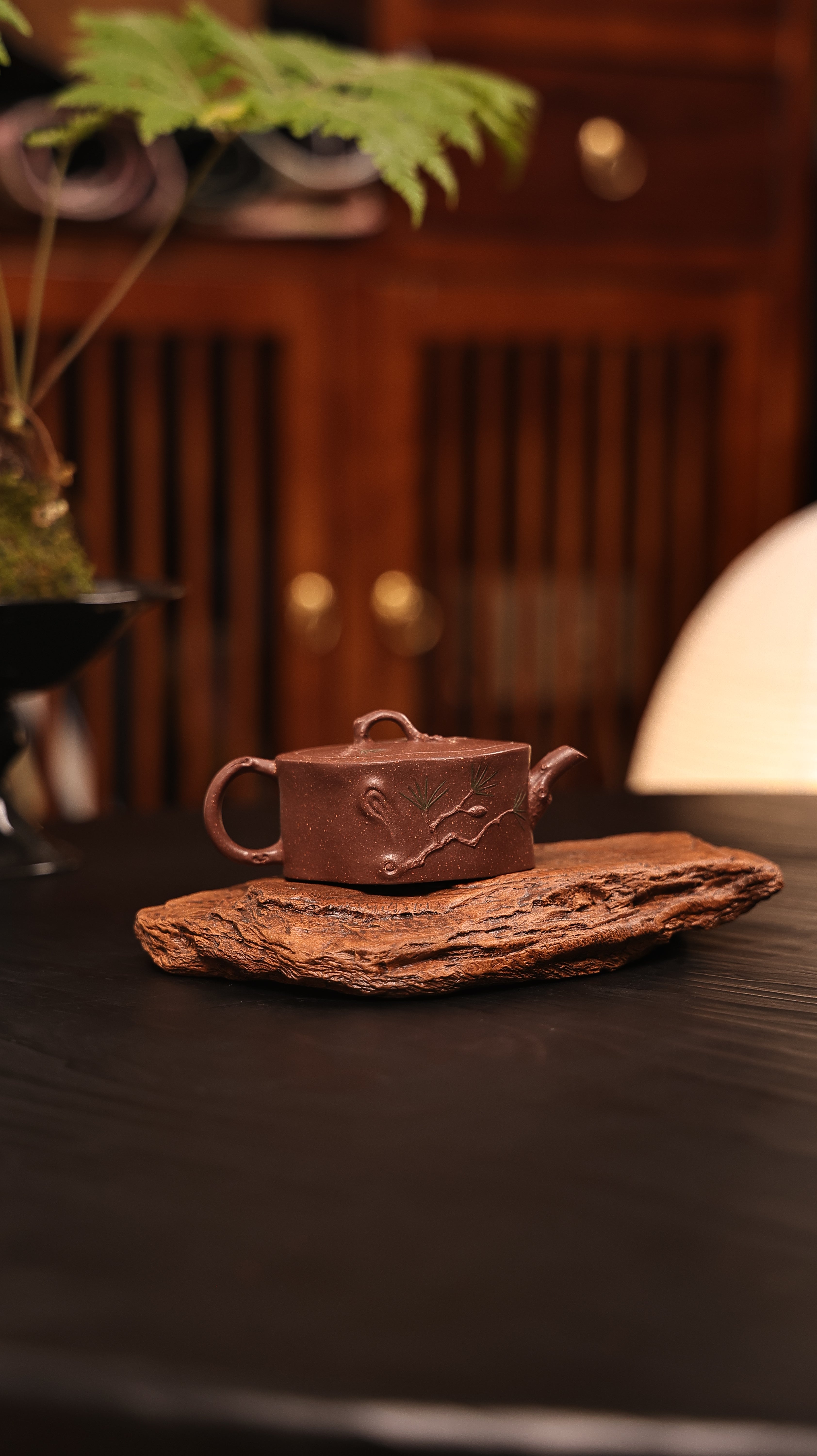
Is a neutral‑scent Zisha Teapot essential for tea professionals who test many samples?
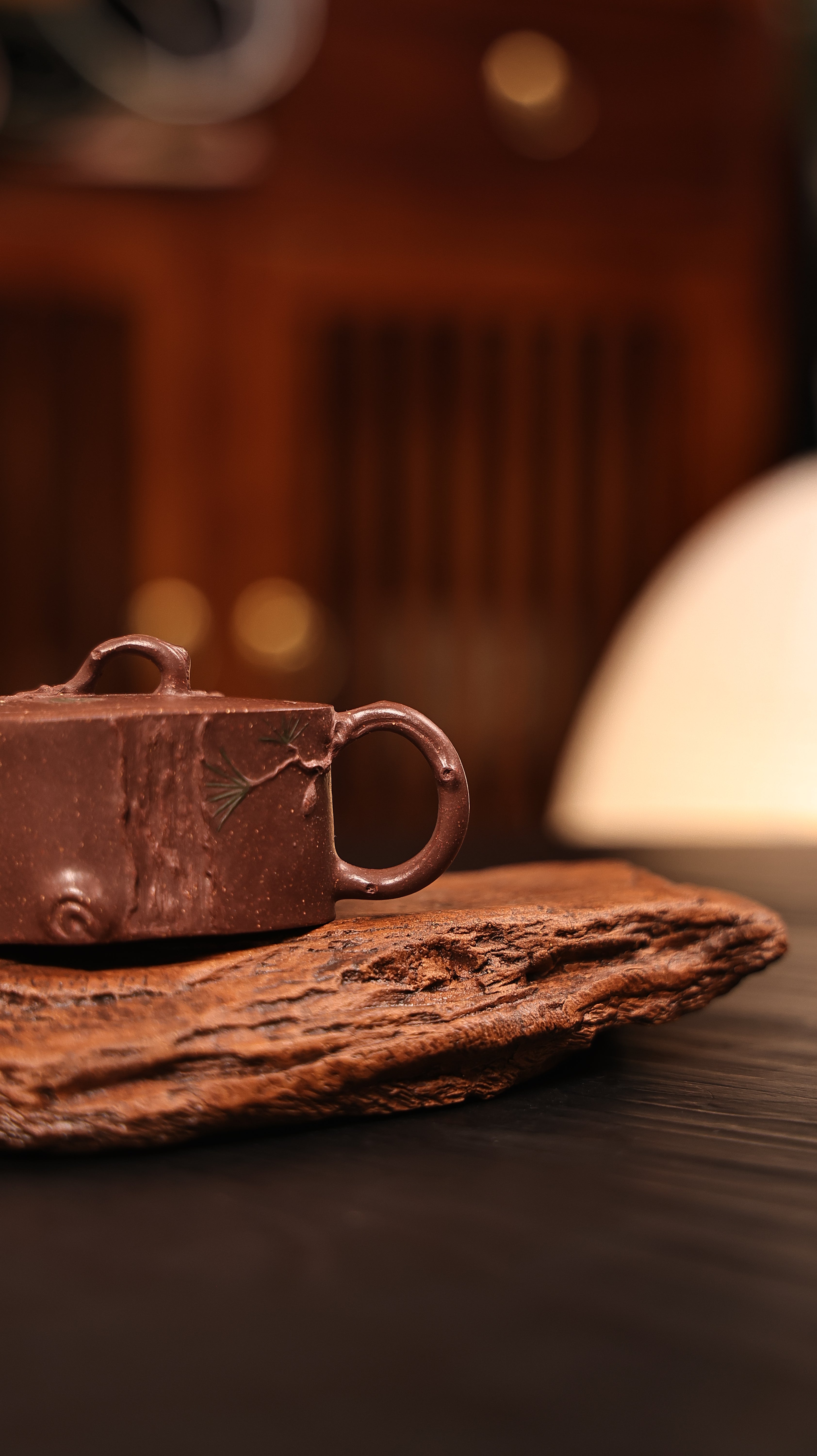
Millennia of collectors have sought the special appeal of Yixing Zisha pots. Rooted in the small town of Yixing, the country, these vessels are fabricated from a singular and recovered purple clay recognized for its extraordinary thermal qualities and ability to amplify the bouquet of beverages. Apart from their functional appeal, Zisha teapots express a deep cultural roots, transforming them immensely prized and a undisputed jewel for any enthusiastic teapot connoisseur.
Surveying Yixing Containers
Classic teapots demonstrate a distinctive fusion of history and expert craftsmanship. Emerging in Yixing, Jiangsu Province of China, their narrative begins from the Ming Dynasty, although documentation suggest earlier forms. The unparalleled reddish-brown clay, called Zisha, found merely in the Yixing region, is the integral component, contributing to the pots' excellent heat keeping and the manner they affect the quality of tea. Dynasties of potters have perfected techniques—often conveyed through families—including shaping the clay, applying decorative embellishments, and firing the pots at specific temperatures.- Back then, Yixing teapots were often decorated with simple designs.
- Down the line, more elaborate carvings and graphic motifs became favored.
- The baking itself is a vital element, requiring decades of proficiency.
Obtaining Zisha Teapots: Critical Points
Undertaking a journey to secure Zisha jars can be satisfying, but it’s required to understand what to identify. Authenticity is important; focus on the earth’s natural tinge, a delicate reddish-brown is characteristic. Examine the consistency; genuine Zisha has a unique tactile sensation, often explained as slightly unequal. The form should be harmonious and consistent with authentic styles, while marks, if present, require close examination for reliability. Don’t delay to consult with qualified collectors or established contacts – their guidance is critical.
The Clay Pots: Investigating the History of renowned Zisha
Ages have seen Yixing Purple Earth teapots possess a notable role in Chinese arts. These beautifully crafted pots, sourced primarily from the locality of Yixing, are well-known for their peculiar cast, nature, and their ability to heighten the profile of tea. Many collectors desire antique Yixing teapots, prizing them greatly not only for their aesthetic beauty, but also for the story they embody.
Yixing Zisha Teapots: This Premier Kinds and Their Attributes
Zisha Clay teapots, produced in the local area of Yixing, China, are well-known for their uncommon clay and first-rate brewing features. Throughout the numerous Zisha types, those varieties that are highly treasured include Baiwei. Binzhou, known for its vivid purple shade and soft texture, delivers a subtle flavor. The Duan Ni type, recognizable by its orangish color and partially grainy feel, is assumed to enhance the weight. Lastly, Zhuni class boasts an exceptional carmine tone and can give a sweet nuance. Each category grants a unique experience, making them distinctly desirable regarding concoction enthusiasts.
Achieving One’s Purple Clay Cup
To access the beauty of your Yixing jar, comprehending the correct technique is essential. These clay earthenware, celebrated for their permeability, will gradually assimilate the character of the tea you create within them. Begin by scrubbing the kettle thoroughly with scalding water. Then, use only superior whole leaf tea, as lower quality options can weaken the vessel’s delicate nuance. Always permit the leaves to expand completely, and remember that with each preparation, your Yixing kettle will become continuously cherished.
Conserving Your Priceless Zisha Keepsake
Proper handling for your Zisha jar is necessary to conserving its appearance and appreciation. Zisha clay, hailed for its unique nuance and feel, requires Yixing Teapot precise handling. Never use strong solutions, as these can damage the veneer. After every use, rinse the pot with room temperature water and allow it to dehydrate completely.
- Sidestep soaking the kettle for extended stretches.
- At intervals use a soft fabric to dress the exterior.
- Consider applying a thin layer of food-grade fat inside the urn after drying, which can prevent staining.
Basics of Yixing Vessels
Yixing containers, originating from the Yixing province in Jiangsu Province, located in China, are celebrated for their distinctive traits. Shaped from the unique purple earth known as Zisha, these kettles are prized by potion enthusiasts worldwide. This summary will simply explain the principles – covering forms of Zisha composite, popular shapes, and vital care recommendations. Understanding the foundation of Yixing jars can enhance your appreciation for this esteemed example of Oriental craftsmanship.
Trade of Asian Teapots: Concentrating on Zisha made in this city of Yixing
Zisha substance from the Yixing territory represents the pinnacle of Yuan vessel design, showing a singular amalgamation of unprocessed beauty and effective artistry. These famous pieces are esteemed for their dynamic tints, often encompassing profound purples and orange hues to faint greys and muted beiges. The salient mineral composition of the local Zisha clay imparts a noteworthy texture and generates a satisfying aroma that heightens the comprehensive concoction experience, enabling them notably cherished collectibles and indispensable components of any serious ritual.