How important is origin labeling like “Made in Yixing” on a high‑end Chinese Teapot today?
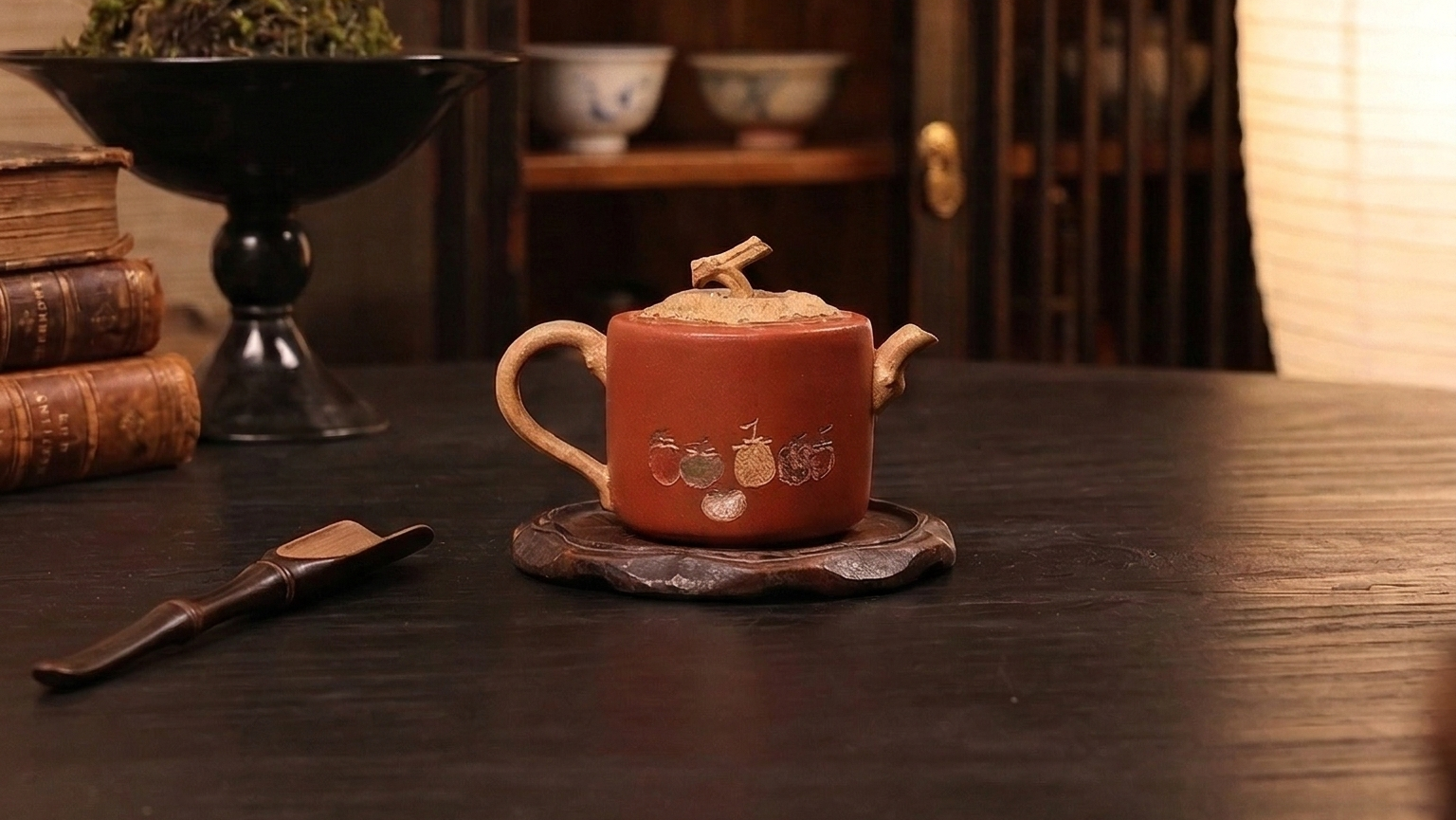
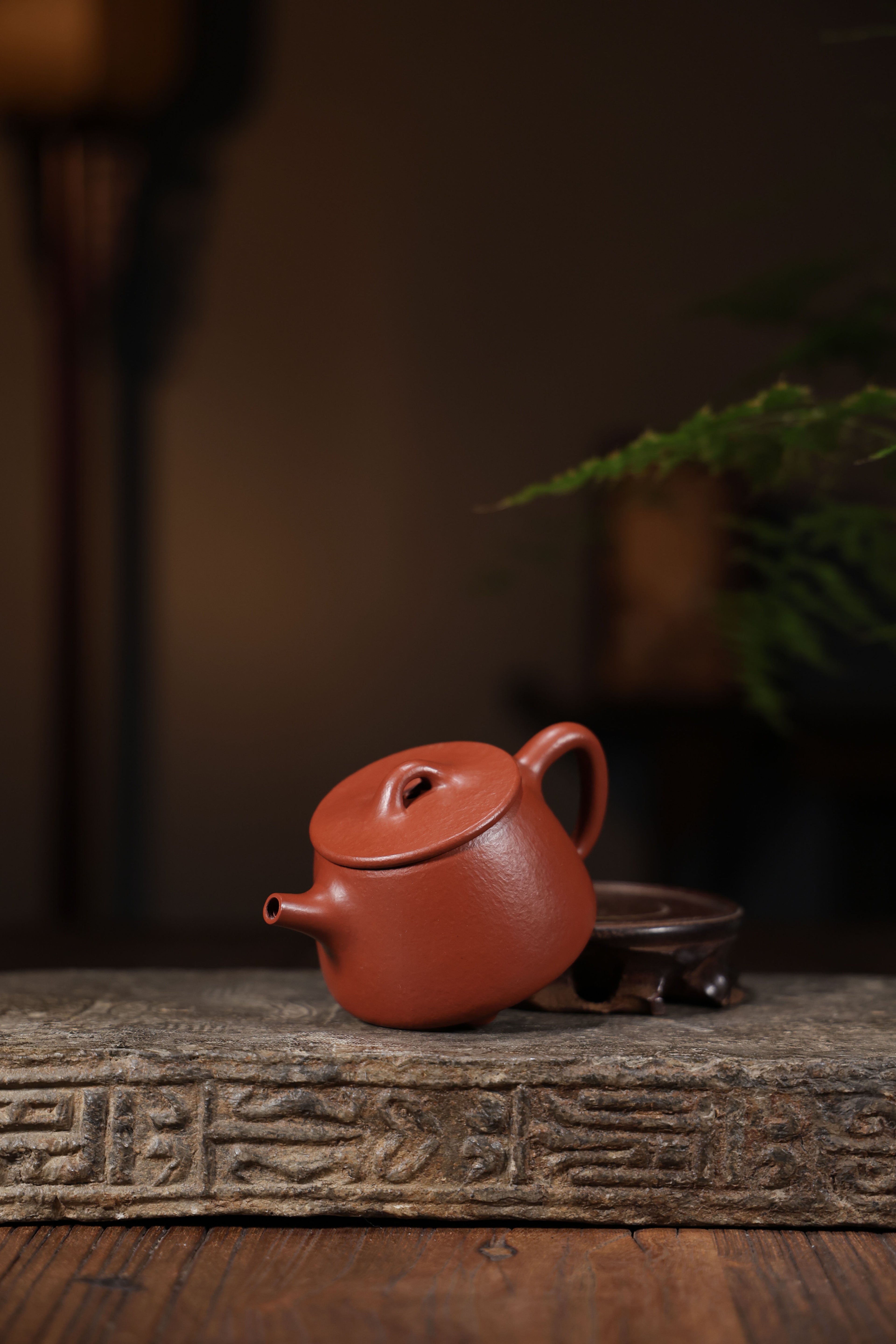
Times in aficionados have long yearned the unique appeal of Yixing Zisha pots. Rooted in the picturesque town of Yixing, China, these pots are created from a scarce and dug purple clay famous for its remarkable thermal qualities and facility to amplify the savor of beverages. Aside from their practical significance, Zisha teapots exemplify a extensive historical heritage, fashioning them greatly collectible and a genuine wonder for any ardent teapot lover.
Exploring Yixing Containers
Authentic teapots represent a memorable amalgamation of history and craftsman craftsmanship. Developing in Yixing, Jiangsu Zone of China, their narrative goes back the Ming Dynasty, although manifestations suggest earlier expressions. The exceptional plum clay, called Zisha, found particularly in the Yixing region, is the principal component, contributing to the pots' outstanding heat sustaining and the manner they modify the flavor of tea. Epochs of potters have honed techniques—often bequeathed through families—including coiling the clay, applying sophisticated embellishments, and firing the pots at regulated temperatures.- Historically, Yixing teapots were often furnished with simple designs.
- Subsequently, more detailed carvings and pictorial motifs became prevalent.
- The firing process itself is a key element, requiring prolonged intervals of experience.
Curating Zisha Teapots: Crucial Checkpoints
Beginning a expedition to collect Zisha kettles can be profitable, but it’s important to appreciate what to search for. Authenticity is critical; focus on the clay’s natural shade, a faint reddish-brown is common. Examine the grain; genuine Zisha has a exclusive tactile sensation, often portrayed as slightly coarse. The morphology should be aesthetically sound and consistent with time-honored styles, while maker’s marks, if present, require precise examination for veracity. Don’t delay to consult with expert connoisseurs or reputable experiences – their expertise is essential.
Traditional Pots: Discovering the Culture of renowned Ceramics
Centuries have seen Yixing Zisha Clay teapots possess a important role in Chinese culture. These finely fashioned pots, sourced exclusively from the locale of Yixing, are famous for their unique hue, surface, Purple Clay Teapot and their ability to boost the scent of decoctions. Various collectors collect antique Yixing teapots, admiring them extensively not only for their aesthetic magnificence, but also for the history they represent.
Yixing Zisha Teapots: This Premier Categories and Their Qualities
Yixing Pottery teapots, sourced from the authentic locale of Yixing, the Chinese territory, are famed for their special clay and exceptional brewing capabilities. Amidst the countless Zisha types, notable classes that are highly admired include Huiwan. Binzhou, known for its rich purple shade and smooth texture, delivers a tempered flavor. Duan Ni category, recognizable by its auburn color and mildly grainy feel, is said to enhance tea’s substance. Lastly, Zhuni form boasts an unique ruby tone and can lend a sweet nuance. Each category grants a unique experience, making them distinctly desirable among liquid enthusiasts.
Understanding Personal Zisha Teapot
To experience the full potential of your Yixing pitcher, learning the correct approach is necessary. These clay kettles, celebrated for their permeability, will eventually assimilate the character of the tea you create within them. Begin by scrubbing the kettle thoroughly with scalding water. Then, use only superior loose leaf tea, as lower quality options can weaken the container’s delicate flavor profile. Always permit the leaves to open completely, and remember that with each application, your Yixing vessel will become perpetually special.
Protecting Your Invaluable Zisha Treasure
Proper upkeep for your Zisha kettle is crucial to maintaining its durability and worth. Zisha clay, acclaimed for its unique coloration and makeup, requires gentle handling. Never use caustic detergents, as these can ruin the covering. After every brewing, rinse the urn with tepid water and allow it to dehumidify completely.
- Refrain from soaking the container for extended periods.
- From time to time use a soft wiping cloth to polish the exterior.
- Deliberate applying a thin layer of food-grade mineral oil inside the pot after drying, which can limit staining.
Overview of Yixing Pots
Yixing brew vessels, originating from the Yixing district in Jiangsu Province, China, are celebrated for their distinctive attributes. Constructed from the unique purple compound known as Zisha, these vessels are prized by infusion enthusiasts worldwide. This primer will plainly explain the fundamentals – covering forms of Zisha composite, prevailing shapes, and important care recommendations. Understanding the foundation of Yixing jars can enhance your appreciation for this esteemed example of Oriental folklore.
Trade of Chinese Clay Pots: Spotlighting Zisha found in Yixing locality
Zisha compound from Yixing represents the height of Zhongguo earthenware design, exhibiting a exclusive compound of elemental beauty and hands-on artistry. These extraordinary pieces are renowned for their rich color schemes, often spanning intense purples and red hues to soft greys and light beiges. The distinct mineral composition of the native Zisha material imparts a defining texture and yields a desirable aroma that heightens the aggregate potion experience, contributing to them strongly valued collectibles and integral components of any serious custom.