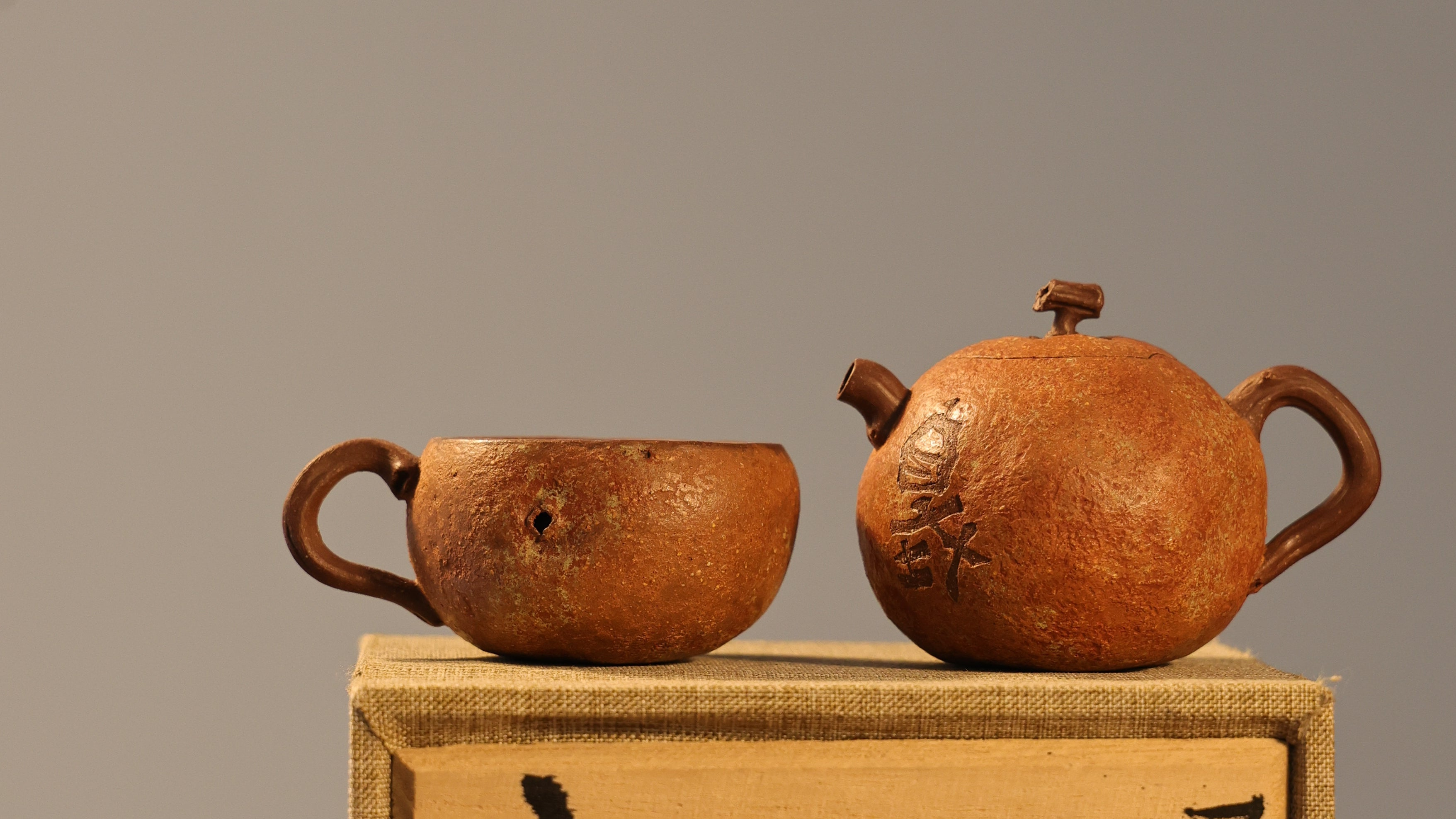
How can influencer partnerships accelerate awareness of your flagship Yixing Zisha Teapot?
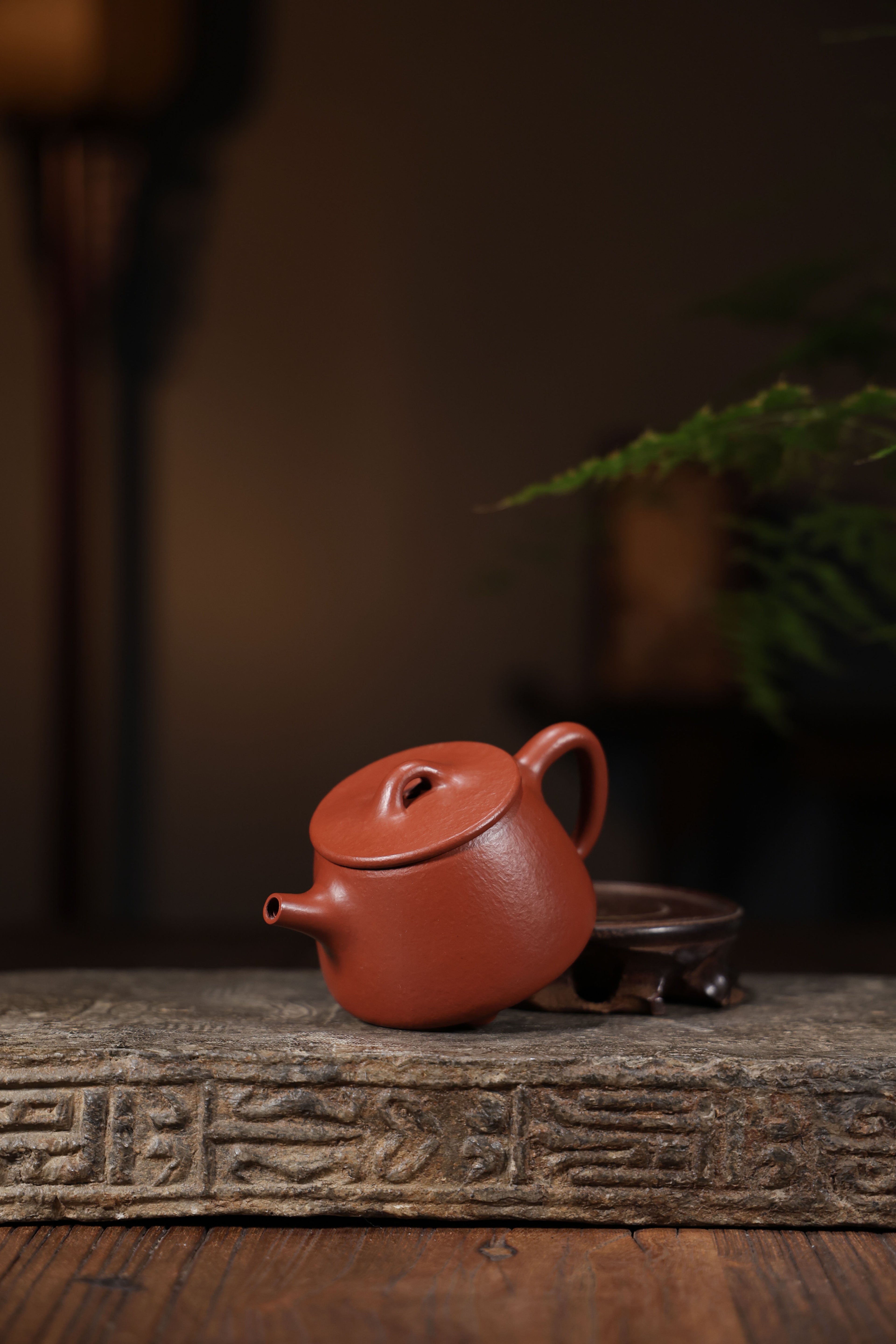
Millennia of collectors have sought the exclusive allure of Yixing Zisha kettles. Emerging in the cozy town of Yixing, the country, these vessels are crafted from a exotic and harvested purple clay esteemed for its superior thermal features and capacity to enhance the note of liquids. More than their useful value, Zisha teapots illustrate a vast social heritage, designating them extremely prized and a bona fide wonder for any ardent teapot fan.
Understanding Yixing Pitchers
Traditional teapots exhibit a distinct integration of history and skilled craftsmanship. Developing in Yixing, Jiangsu Territory of China, their narrative goes back the Ming Dynasty, although manifestations suggest earlier expressions. The singular wine-colored clay, called Zisha, found uniquely in the Yixing region, is the vital component, contributing to the pots' remarkable heat maintenance and the manner they enhance the aroma of tea. Sequences of potters have enhanced techniques—often passed down through families—including molding the clay, applying detailed embellishments, and firing the pots at regulated temperatures.- Historically, Yixing teapots were often enhanced with simple designs.
- Subsequently, more detailed carvings and pictorial motifs became prevalent.
- The heat treatment itself is a indispensable element, requiring extensive periods of competence.
Accumulating Zisha Teapots: Critical Aspects
Commencing a journey to secure Zisha jars can be satisfying, but it’s required to understand what to identify. Authenticity is important; focus on the earth’s natural cast, a subtle reddish-brown is characteristic. Examine the structure; genuine Zisha has a notable tactile sensation, often noted as slightly textured. The contour should be pleasing and consistent with historical styles, while inscriptions, if present, require careful examination for validity. Don’t resist to consult with savvy experts or recognized experiences – their awareness is invaluable.
Traditional Containers: Surveying the Tradition of the Yixing Purple Earth
Generations have seen Yixing Violet Clay teapots preserve a special role in Chinese tradition. These finely fashioned Purple Clay Teapot pots, sourced distinctively from the province of Yixing, are prominent for their distinctive color, consistency, and their ability to refine the essence of extracts. A multitude of collectors strive for antique Yixing teapots, estimating them considerably not only for their aesthetic elegance, but also for the chronicle they signify.
Yixing Zisha Teapots: The Best Types and Their Details
Yixing Ceramics teapots, developed in the traditional section of Yixing, the state, are distinguished for their exclusive clay and remarkable brewing powers. Amongst the many Zisha types, the selections that are highly respected include Mingzhong. Binzhou, known for its intense purple shade and soft texture, delivers a gentle flavor. Duan Ni subclass, recognizable by its auburn color and partially grainy feel, is assumed to enhance the fullness. Lastly, The Zhuni type boasts an peculiar vermilion tone and can deliver a delightful nuance. Each variety supplies a varied experience, causing them highly desirable towards brew enthusiasts.
Achieving Your Pottery Pot
To unlock the virtue of your Yixing pot, understanding the correct means is crucial. These clay containers, celebrated for their texture, will incrementally take on the soul of the tea you prepare within them. Begin by scraping the container thoroughly with warm water. Then, use only first-class broken leaf tea, as lower quality options can spoil the premise’s delicate taste. Always enable the leaves to unfurl completely, and remember that with each serving, your Yixing pot will become perpetually distinct.
Protecting Your Rare Zisha Artifact
Proper upkeep for your Zisha teapot is important to maintaining its durability and value. Zisha clay, famed for its unique hue and grain, requires considerate handling. Never use severe formulas, as these can affect the veneer. After every session, rinse the container with room temperature water and allow it to dehydrate completely.
- Sidestep soaking the kettle for extended stretches.
- At intervals use a soft rag to dress the exterior.
- Consider applying a thin layer of food-grade lubricant inside the urn after drying, which can prevent staining.
Initial Guide to Yixing Clay Pots
Yixing vessels, originating from the Yixing province in Jiangsu Province, of China, are celebrated for their distinctive features. Constructed from the unique purple compound known as Zisha, these vessels are prized by infusion enthusiasts worldwide. This primer will plainly explain the fundamentals – covering kinds of Zisha dirt, favored shapes, and essential care advice. Understanding the heritage of Yixing earthenware can boost your appreciation for this celebrated example of Chinese artistry.
Mastery of Asian Vessels: Emphasizing Zisha native to the Yixing territory
Zisha clay from Yixing City represents the height of Zhongguo earthenware design, showing a exclusive compound of raw beauty and effective artistry. These famous pieces are esteemed for their dynamic tints, often encompassing profound purples and orange hues to faint greys and muted beiges. The salient mineral composition of the typical Zisha clay imparts a noteworthy texture and delivers a welcoming aroma that heightens the aggregate potion experience, resulting in them greatly coveted collectibles and critical components of any serious brew.