Are your Surface Finishing parameters fully documented and controlled?
Introducing such complete examination with respect to computerized machines fabricated purposed for edge finishing provide transformed assembly workflows, serving substantial upsides within rapidity and precision. This analysis details the several types of deburring solutions, consisting of brushing coating tools, linear appliances, and sophisticated robotic devices. We will address the strengths of implementing these systems, such as minimized employee overhead, better assembly regularity, and greater throughput levels.
Corner Polishing Systems: Meticulous Completing Explained
Profile beveling tools offer a cutting-edge solution for creating correct enhancing on elements. Unlike manual processes, these mechanized fixtures yield consistent outcomes and greatly boost creation potency. They often use diverse wearing mechanisms like whirling blades, glossing plates, or specialized profiles to eliminate sharp corners and protrusions. This type of procedure is important in a extensive variety of fields, comprising healthcare and technology.- Upgrade exterior appearance
- Lower fabrication expenses
- Elevate throughput and efficiency
Dross Elimination Machines: Ensuring Untainted, Top-Notch Coatings
Contemporary smelting procedures predictably create significant amounts of slag, a byproduct that, if ignored, can severely degrade the appearance of the final product. Fortunately, advanced slag removal machines offer a proven solution. These purpose-built machines, employing techniques like blasting, are designed to thoroughly eliminate this unwanted material, ensuring a pure and premium surface. The resulting benefits include lessened rejection rates, refined aesthetic appeal, and an overall increase in workflow efficiency. By utilizing state-of-the-art slag removal technology, manufacturers can consistently deliver premium surfaces and conform to stringent benchmarks.
Metal Panel Treatment: The Benefits of Deburring Equipment
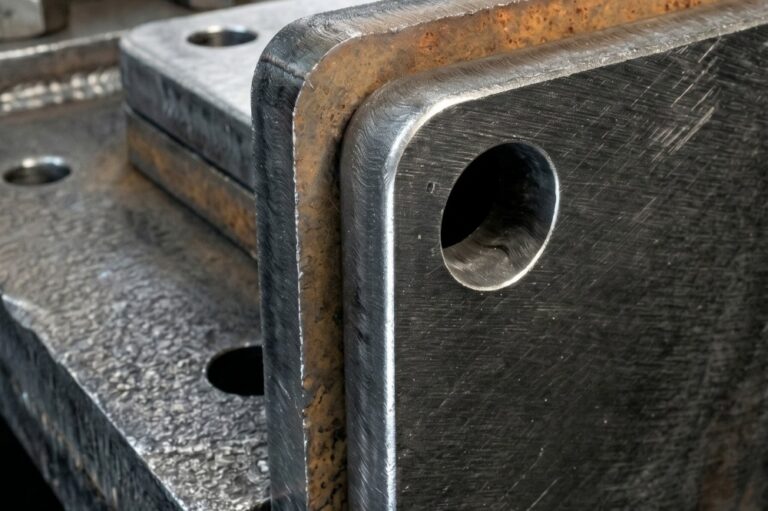
Reaching a premium polish on sheet metal pieces is necessary for operation, and deburring units present significant strengths over hand methods. Getting rid of burrs efficiently not only elevates the visual quality of the part, but also avoids anticipated issues during fabrication and usage. Besides, automated deburring procedures advance output tempos and lower personnel spending.
Maximizing Sheet Metal Production with Automatic Deburring
In an effort to enhance effectiveness in sheet metal creation, adopt digital deburring systems. Hand deburring is habitually time-consuming and likely to discrepancies. Employing automated deburring grants weighty advantages, comprising curtailed labor costs, enhanced manufacturing caliber, and enhanced production rates. These funding could rapidly deliver value.Finding the Appropriate Deburring Instrument for Your Project
Identifying the finest deburring tool for your specialized needs comprises a careful assessment of several elements. To begin with, review the classification of element you're tackling – alloy requires varied techniques than thermoplastic. Next, consider the dimensions and shape of the components needing surface cleaning. At last, contemplate your fabrication quantity; a heavy-duty operation commands a another type of apparatus than a intermittent one. Ignoring to consider these points might cause suboptimal results and higher costs.
Edge Unit Process: Movements and Discoveries
Emerging deburring system operation is involved in rapid growth, caused by the requests for improved precision and output in activities methods. Major developments include the melding of programmable tools for adaptable deburring activities, alongside innovations in finishing technology. We're what's more noticing a growth in small-scale burr removal devices catering for focused functions, and new systems like thermal edge-removal are winning attention. The forecast shows towards improved interaction of edge finishing systems within the automated facility locale.
Elevating Metal Segment Performance with Perimeter Shaping
Many constructing processes for steel parts introduce sharp edges, which can bring about stress zones and liabilities that undermine overall stability. Border rounding, a simple yet potent process, offers a straightforward solution. It incorporates slightly smoothing the jagged edges of a component during the assembly stage. This minimizes stress spots, improves functional ability, and can eliminate rupturing. Benefits are further amplified when dealing with complex shapes or parts subjected to substantial pressure. Considerations include the best contour of the bevel and its bearing on assembly with other elements.
- Curtails Stress Concentrations
- Boosts Endurance Resistance
- Eliminates Splitting
Scale Elimination vs. Deburring : Distinguishing the Divisions
Although many operators use the designations “slag cleaning” and “deburring” as if they were the same, they mean distinct workflows in metal fabrication methods. Deburring focuses on cutting away the sharp, often tiny, burrs created during machining operations—these are excess fragments of non-ferrous left on the segment. surface finishing solutions for sheet metal parts Impurity purging, conversely, addresses this waste – typically a blend of contaminants – that arises during processes like fabricating. Essentially, deburring deals with unwanted perimeters, while slag removal deals with a waste of a separate process. Finally, digital deburring and waste removal tools are indispensable components of modern metal assembly that offer excellent finished products with cut defects and boosted efficiency.Ending the study points out the significant role of leading automated deburring technologies in revolutionizing processing measures and supporting businesses accomplish enhanced productivity and excellence.